





Industry Insights
29/12/2025
Share


CEO of HyperStrong: Driving Energy Storage from Price Competition to Long-term Value Creation
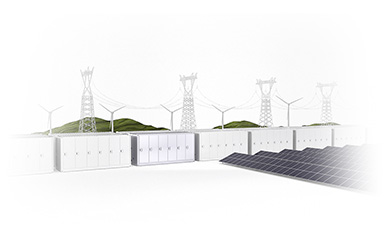
As renewable energy adoption accelerates worldwide, energy storage has become essential to maintaining grid stability, ensuring energy security, and promoting long-term sustainability. With demand rising across utility-scale, industrial, and emerging applications worldwide, the industry is shifting its focus from short-term cost to long-term performance.
Dr. Jianhui Zhang, Founder, Chairman, and CEO of HyperStrong, a global leader in energy storage solutions, recently shared his insights in a recent interview on the TV program “Dialogue”, on how the energy storage sector is evolving—and why professionalism, engineering depth, and continuous innovation matter more than ever.
“Green power combined with energy storage may represent one of the ultimate energy solutions for the future,” said Dr. Zhang. As the global economy advances toward low-carbon development, the transition from fossil fuels to clean energy has become irreversible.
However, main renewable resources such as wind and solar are inherently intermittent and unstable, which remains a fundamental constraint on their large-scale integration into power systems.
In this context, energy storage has emerged as a critical enabling technology. By stabilizing power output and smoothing fluctuations, it enables green energy to meet diverse power demands across a wide range of use cases.
As a result, energy storage is no longer a peripheral component of renewable projects—it has become an indispensable “stabilizer” for grid integration, significantly enhancing system resilience, operational flexibility, and overall energy reliability.
From Price Competition to Long-Term Value Creation
From 2021 through the end of 2025, lithium-based energy storage systems have advanced by leaps and bounds. Energy density increased by up to eight times, enabling substantially higher storage capacity while simultaneously driving down system-level costs and significantly reducing physical footprint.
As Dr. Zhang stated, “The energy storage industry is evolving beyond price-driven competition.” Today, project developers and investors are no longer focused solely on equipment prices, but prioritize the core quality attributes of energy storage assets including:
System efficiency
Safety and reliability (long-term returns)
Operational lifespan and consistency
Built for Global Markets
Global demand for energy storage is structural and sustainable, driven by long-term energy and infrastructure needs rather than short-term cycles.
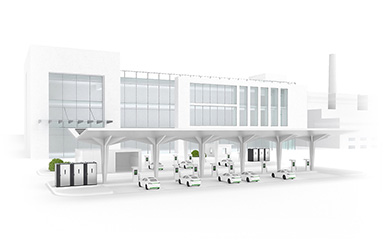
While Europe’s market—historically driven by residential solar—is increasingly pivoting toward utility-scale systems, Southeast Asia and the Americas are seeing expanding industrial infrastructure and hyperscale AI data centers fueling demand for intelligent, modular and fast-deployable BESS solutions.
Success in these markets requires more than strong products. Companies must build end-to-end capabilities across sales, localization, operations, asset management, and power market participation to unlock long-term value beyond equipment sales.
Technology Needs to Deliver Instead of Hype
“There is no ‘black technology’ that could happen overnight in energy storage,” Dr. Zhang emphasized. “True breakthroughs come from continuous improvement and real-world validation.”
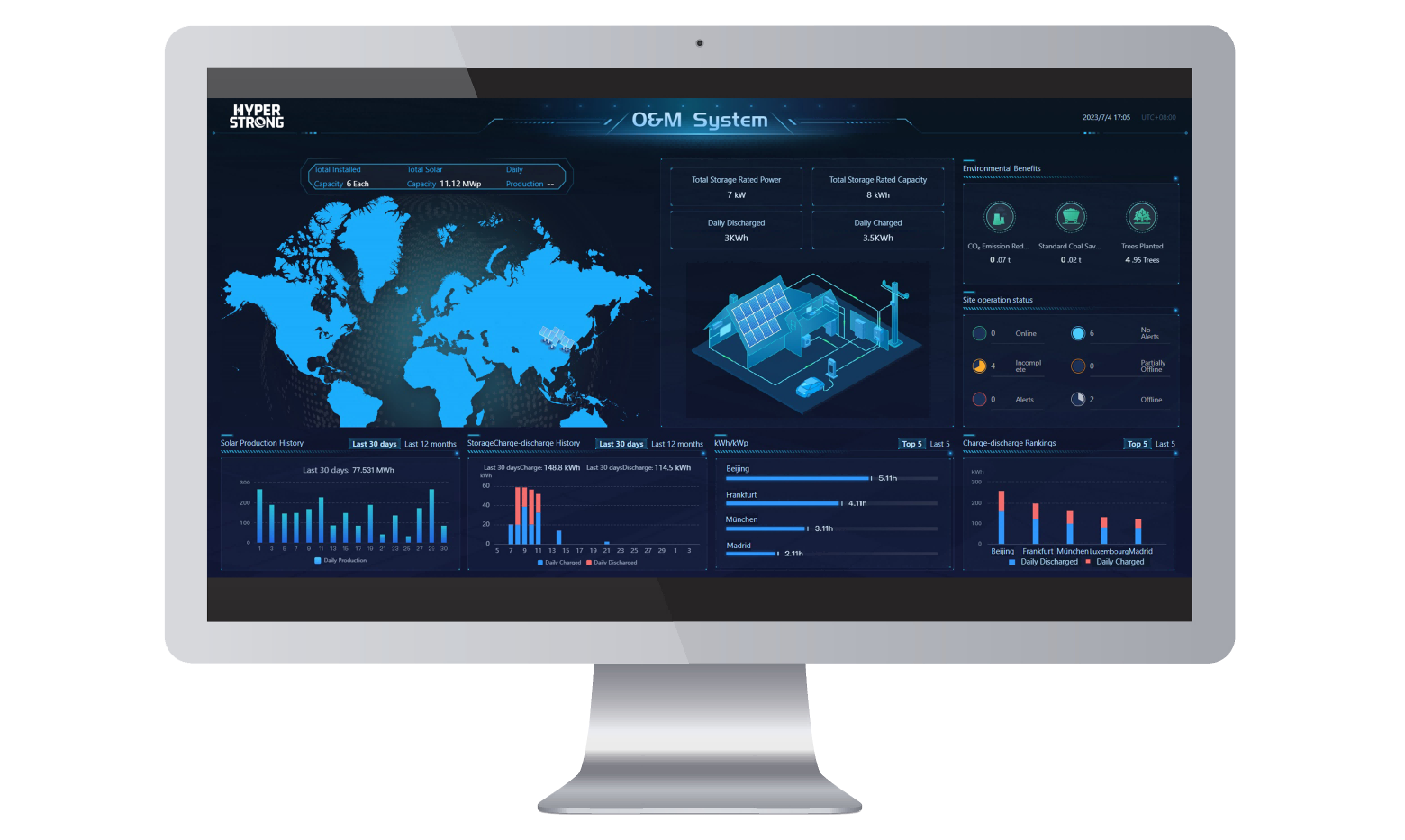
HyperStrong was one of the earliest pioneers in applying AI and data intelligence across the entire energy storage lifecycle. By leveraging large-scale operational and experimental data, HyperStrong continuously optimizes:
System design and capacity planning
Product R&D
Manufacturing automation and intelligent upgrading
Charging and discharging strategies
Pricing strategies for power trading
A Practical Path to Next-Generation Batteries
In the field of solid-state lithium batteries, the pathway from incremental progress to breakthrough innovation is clearly defined. Dr. Zhang noted that semi-solid-state batteries serve as practical transitional technology toward fully solid-state batteries and have already entered commercial deployment. “The semi-solid-state energy storage products we jointly developed with our partner are now being deployed at scale, significantly enhancing the safety profile of energy storage stations,” he said.
At the same time, researchers and manufacturers are systematically transferring safety technologies developed in liquid lithium batteries into solid-state materials and manufacturing processes. Through close collaboration across the value chain, these advances are laying a robust foundation for the large-scale commercialization of fully solid-state batteries.
These innovations provide a practical, scalable pathway toward fully solid-state batteries in the future.
Toward an Energy-Autonomous Future
Looking ahead, advances in energy storage will fundamentally reshape how electricity is produced, stored and consumed. Dr. Zhang envisions a future in which solid-state batteries become widely adopted, enabling homes and buildings to function like large-scale energy buffers that reliably meet daily power needs.
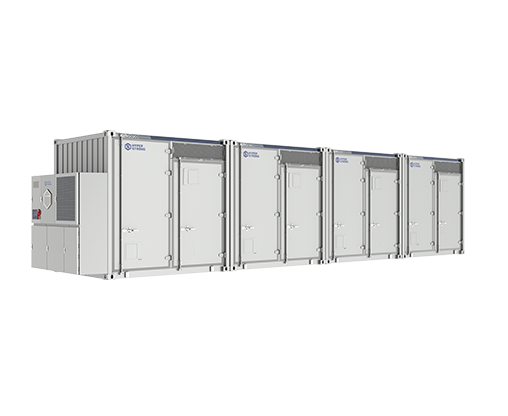
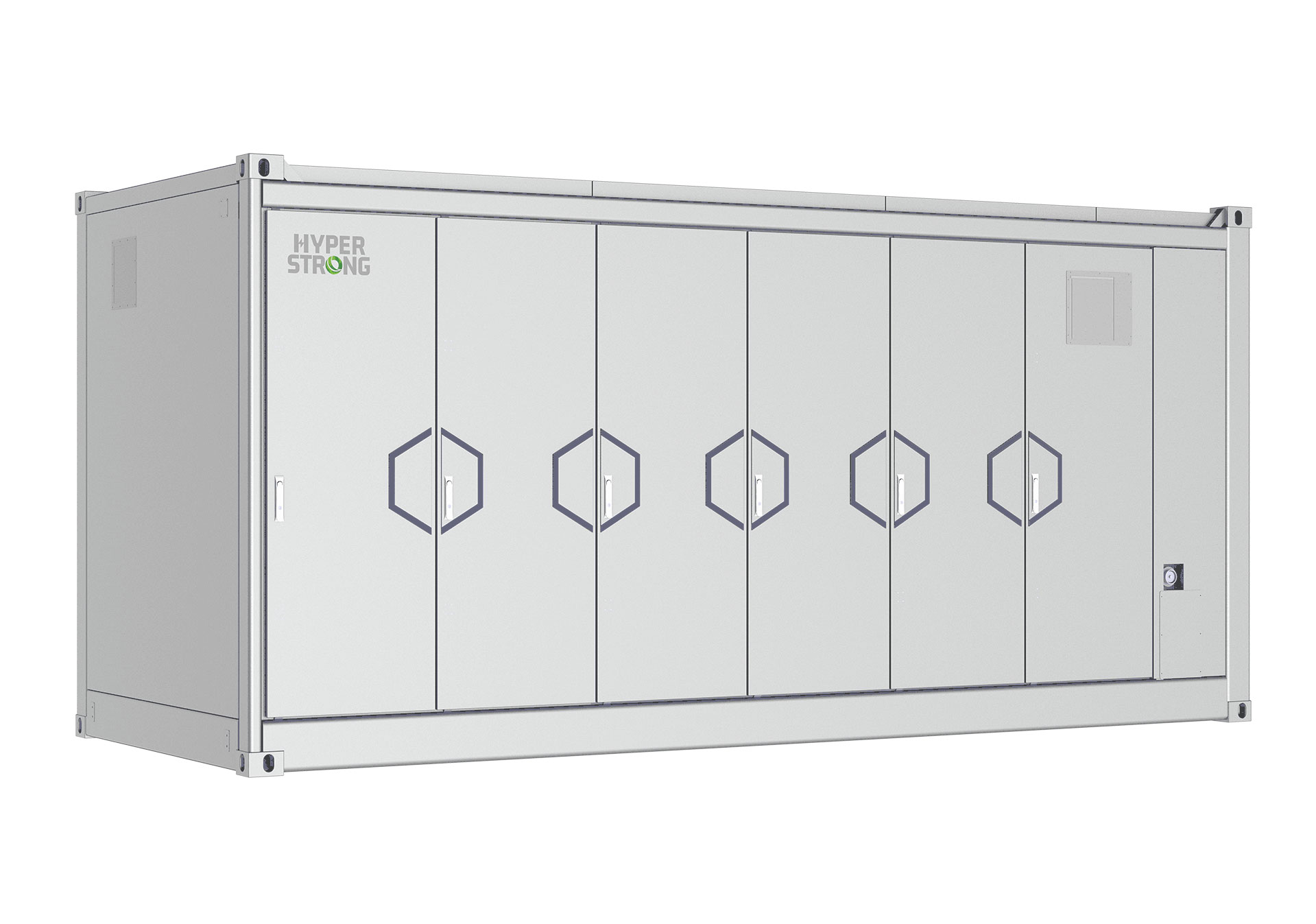
Today, a standard 10-foot energy storage system can store approximately up to 4 MWh of electricity. In the future, systems (with same size) capable of storing 10 MWh or more could provide stable power for entire buildings over extended periods, significantly reducing energy uncertainty and enabling a more efficient, resilient, and energy-autonomous way of life.
With deep technical expertise, global execution capability, and a long-term innovation mindset, HyperStrong is building the energy infrastructure of the future—reliably, intelligently, and at scale.
Bio of Dr. Jianhui Zhang
Dr. Jianhui Zhang is the founder, chairman, and CEO of Beijing HyperStrong Technology Co., Ltd. (“HyperStrong”, 688411.SH). He is a professor-level senior engineer and has extensive experience in product development and technical management of power electronics and large-scale integration. He holds a Ph.D. degree in Electrical Engineering from the University of California, Berkeley, as well as a M.S. degree and a B.S. degree in Electrical Engineering from Tsinghua University.
Dr. Zhang spent 10 years studying and working in the United States, during which he obtained more than 20 technology invention patents and published more than 10 academic papers. Prior to founding HyperStrong, he served as the Chief Technology Officer of the Smart Grid Group of Siemens China Co., Ltd., where he presided over the R&D and technical management of smart grid products.
In 2011, Dr. Zhang founded Beijing HyperStrong Technology Co., Ltd. With his lead, HyperStrong has developed into an industry-leading provider of energy storage system solutions and technology services, offering one-stop solutions for energy storage power station development, design, integration, operation and service, realizing smart interconnection of energy storage systems and digital operation of energy storage assets.


